

Knife Engraving Explained
Engraving takes knives to the next level, making them a very personal gift. Many people have questions about engraving, so here’s a straightforward overview.
Engraving Knife Blades
The most reliable way to engrave a blade is by laser. That’s what most engraving businesses use today. Traditional hand engraving is uncommon, though you might find someone at a Mr Minit store who still offers it.
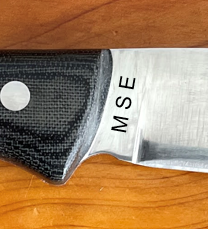
Laser engraving works very well on carbon steel. It produces a sharp, black mark that contrasts cleanly against the steel. Both images and text can be engraved. For best results, supply images in solid black with a transparent background. For text, you can choose the font, size, and style—regular, italic, bold, uppercase, lowercase, or title case.
Game Valley Knives does not have the equipment to do this type of engraving. We have organised engraving for customers if they do not have an engraver in their location. However, it’s far better for clients to deal directly with a local engraver. Using a middleman slows the process and increases the chance of miscommunication. Providing the engraver with a mock-up in the correct font is a big help—it shows exactly what you want and avoids spelling mistakes.
Engraving Knife Handles
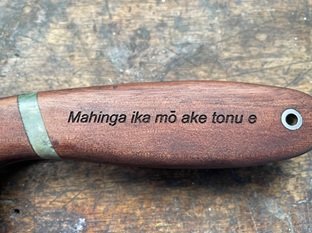
Laser engraving is also the preferred method for handles. The mark is slightly recessed and comes out in a dark tone.
Hardwood and stabilised softwood engrave cleanly. Micarta, resin, and other composites generally engrave fine as well. Avoid engraving fibreglass/G10— it gives off toxic fumes and can damage equipment.
Game Valley Knives provides a handle engraving service. Click here to find out more.
Behind the Knife
If you're interested in the business behind the workshop, I'm documenting that journey over at The Maker's Journey.
